Courtesy City of Springfield

The business case for sports in the Ozarks is clear: Tourism dollars, packed hotels and regional visibility are on the table. Our next moves could determine whether the region keeps up—or falls behind. Are we willing to invest what it takes to compete?
May 2026
On any given weekend in Springfield or Branson, the signs are easy to miss—unless you know what you're looking for. Packed parking lots at parks and hotels. Out-of-state license plates. Teams unloading coolers, ball bags and folding chairs. Parents scanning schedules between games.
It looks like competitive team sports, but it's also something much bigger: an economic engine quietly but steadily gaining momentum across the Ozarks. Nationwide, sports tourism is a more than $100 billion industry—and Missouri already ranks among the top 10 states benefiting from it.
From national youth tournament weekends to Division I college athletics and the possibility of professional soccer coming to town, the business of sports is no longer just about wins and losses. It's about national exposure, visitor spending and how well-positioned Springfield and the surrounding region are to capitalize on the moment.
According to the Sports Events and Tourism Association, sports tourism is one of the most powerful drivers in the overall travel economy. Its 2023 State of the Industry Report showed $52.2 billion in direct spending and a total economic impact of $128 billion, supporting more than 757,000 jobs.
Even as the numbers predictably fluctuate year to year, the momentum hasn't slowed. In 2024, spectator sports tourism generated $47.1 billion in direct spending and $114.4 billion in total economic impact, with nearly 110 million travelers attending events more than 50 miles from home—the majority staying overnight at least one night. Lance Kettering, Springfield Sports Commission Executive Director, who has reviewed the full report, shares that Missouri ranks 10th in the country in this sports travel category.
That kind of spending activity has a tremendous impact locally. "The sports tourism segment is vital for Springfield," says Mark Hecquet, president and CEO of Visit Springfield. "It's something the city is really well set up for in terms of our location, city structure and amenities."
But there's a catch.
"With growth comes competition," Hecquet says. "Pretty much every city in the U.S. has identified sports tourism as an important economic driver for their communities, which means the process of attracting events becomes much more competitive."
The opportunity is massive—but only if a city has both the infrastructure and foresight to compete for it.
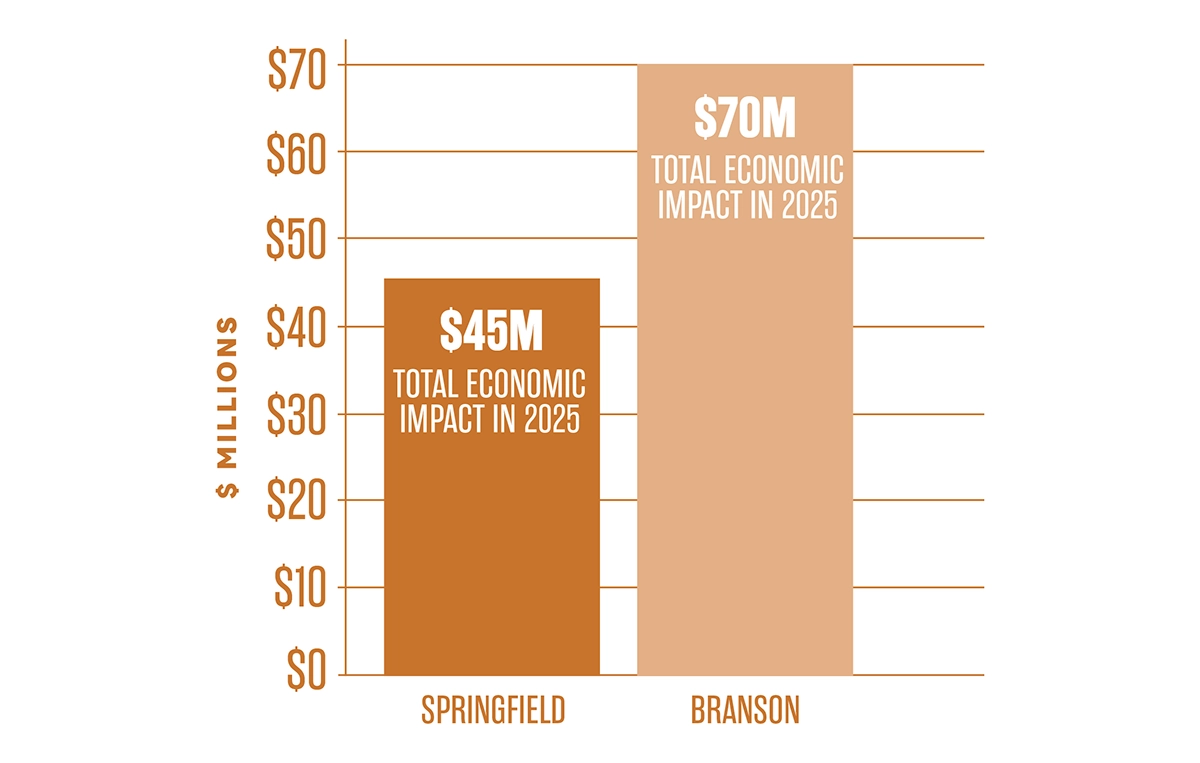
The good news is that Springfield isn't just starting from scratch. In fact, the past few years have brought steady investment in sports infrastructure. "There's been continued investment in our sports facilities inventory," Hecquet says. "What we're seeing is what we've always believed: If you have the right venue(s), Springfield is a really, really desirable location."
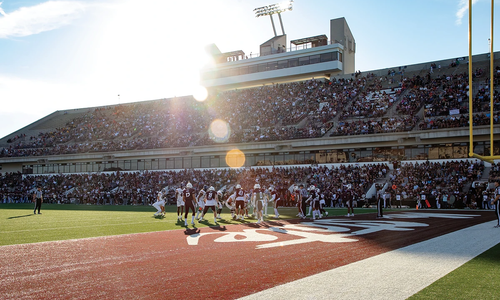
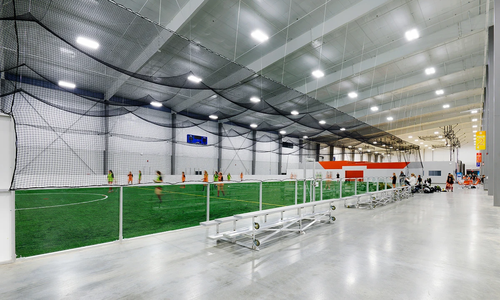
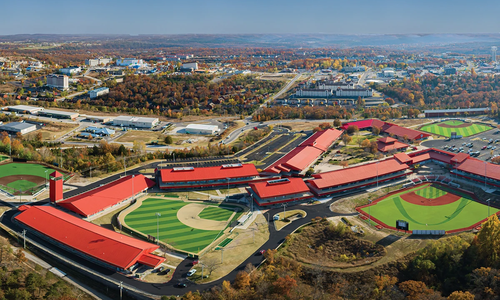
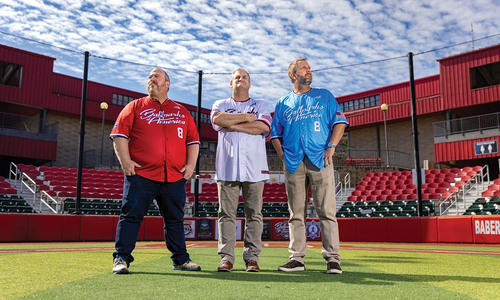
Recent additions in the last year and a half, including Wilson Logistics Arena at the Ozark Empire Fairgrounds, the Cooper Park Soccer Complex and the Killian Sports Complex (primarily softball), drew immediate interest and activity. And the city continues to build on established anchors like the Springfield Cardinals, whose long-standing presence has helped define Springfield's sports identity, particularly downtown.
"The real challenge in the sports tourism world is everything starts and stops with the venues you can offer," Hecquet states. Five years ago, Springfield wasn't competitive on that front—but that's quickly changing.
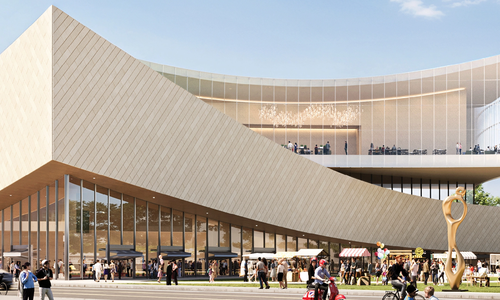
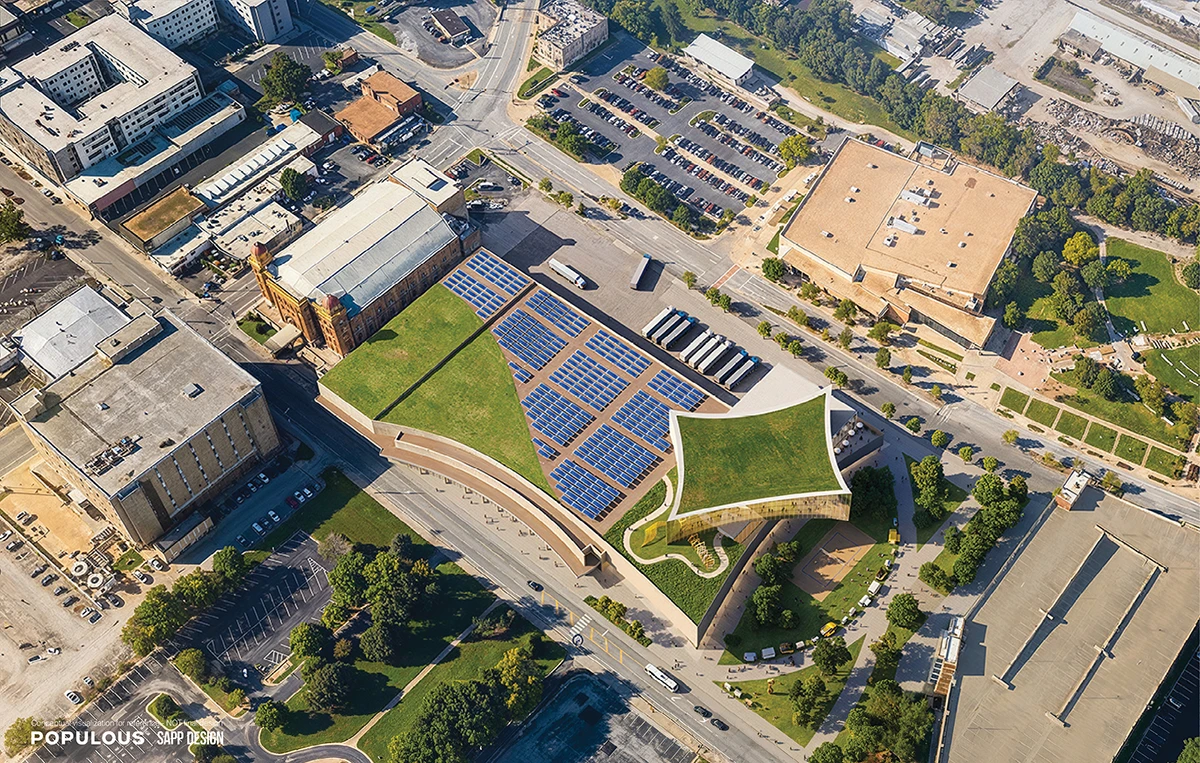
One of the biggest opportunities—and questions—in Springfield centers on a proposed new convention and events center.
"Cities typically build convention centers to help draw consumer spending from outside the community," says Tim Rosenbury, City of Springfield's Director of Quality of Place Initiatives.
But this one would be different, by design. "We're also designing it as an event center for the community and the region; this facility has a distinctly public purpose," Rosenbury explains. "Having the convention center would make Springfield competitive for convention and event business, including sporting events."
Hecquet echoes this sentiment, seeing a convention and events center as part of a clear path forward. "It is really a major opportunity for us to further plant our flag in the ground that Springfield is a major sports tourism destination."
Rosenbury estimates the ripple effect could exceed $1 billion in additional development, including a convention center hotel and the soccer stadium. However, on April 7, Springfield voters rejected a lodging tax increase that would have funded the project. As of press time, city officials have not identified next steps.
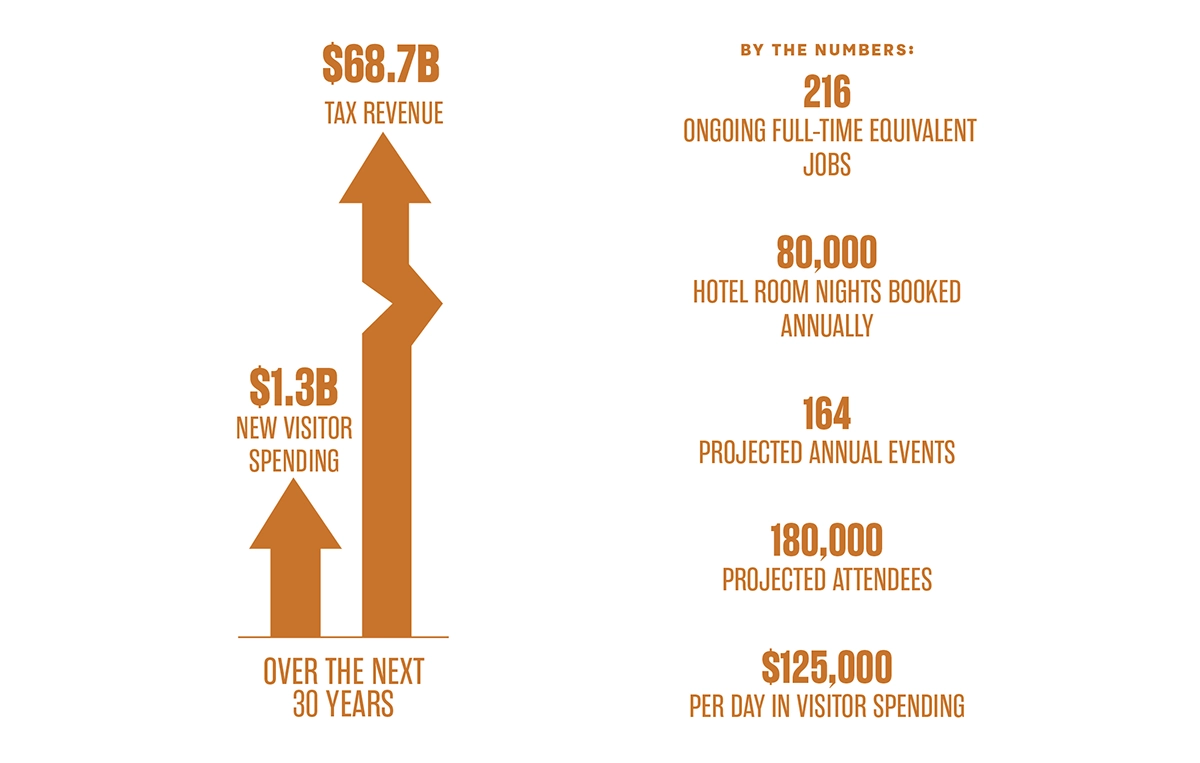
Springfield has all the pieces. New and expanding facilities. A steady stream of tournaments. A university rapidly gaining national exposure. A potential professional soccer franchise. A proposed convention and events center that could tie it all together.
But turning that into real sustained economic impact requires significant coordination, investment and, perhaps most importantly, timing. Because in today's sports economy, standing still isn't safe; it's the third out.
The question for 417-land isn't whether sports can drive growth, but whether the region is ready to fully step onto the field.