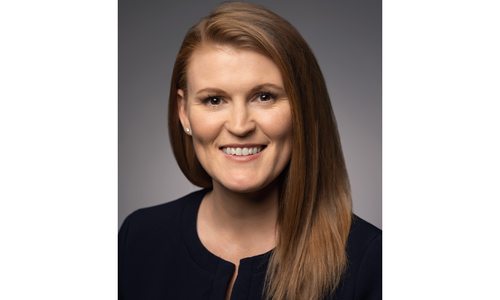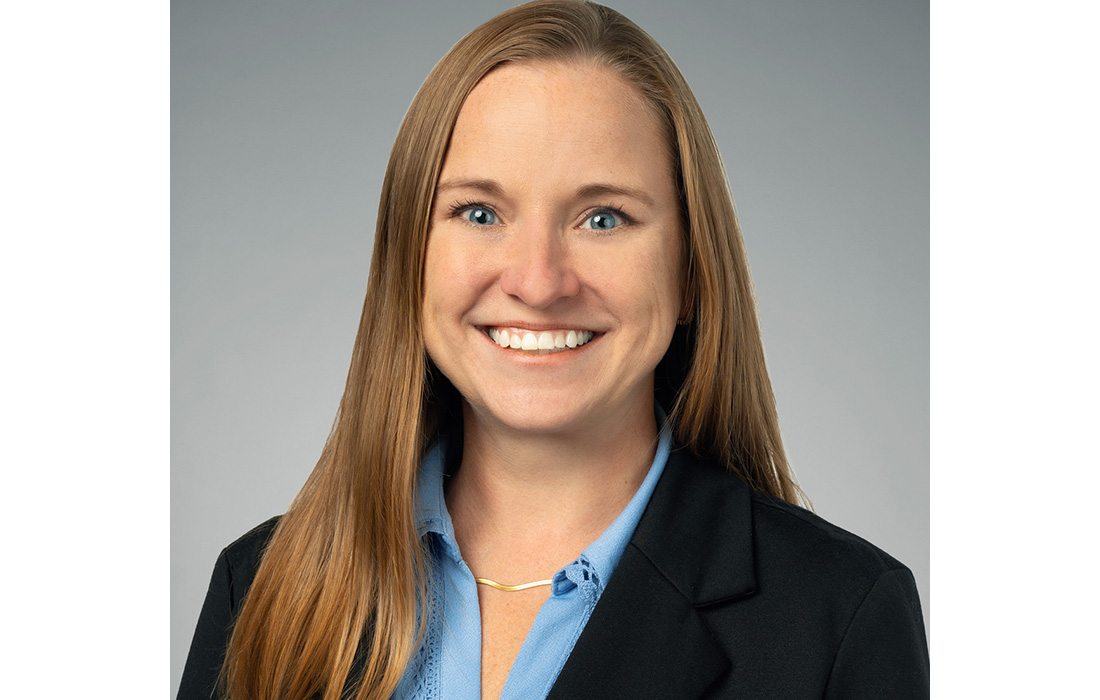
Photo courtesy Forvis MazarsEmily Reese

Emily Reese of Forvis Mazars helps hospitals untangle Medicare and Medicaid reimbursement, turning complex systems into clearer, smarter decisions.
May 2026
Most people don’t think much about healthcare reimbursement, but for hospitals, it shapes just about everything. Emily Reese, a consultant at Forvis Mazars, helps organizations navigate the ins and outs of Medicare and Medicaid so the organizations can operate with more clarity and confidence.

Drawn to both the challenge and the impact, Reese has built a career at the crossroads of complex systems and real-world outcomes.
Biz 417: You’ve been with Forvis Mazars for a long time. What’s kept you engaged over the years?
Emily Reese: I’ve been with the firm since 2005, and what’s kept me engaged is that the work evolves constantly. Healthcare is never static: regulations change, payment systems shift and no two hospitals are exactly alike. That means I’m always learning, and I’m always challenged to think differently.
Equally important are the people. I’ve had the opportunity to grow alongside incredibly smart, curious colleagues and to mentor others as they develop their own careers. Over time, the work has expanded beyond technical expertise into leadership, collaboration, and helping teams tackle big, nuanced questions together.
Biz: Healthcare finance isn’t always seen as a creative field. Where does creativity show up for you?
E.R.: That’s one of the biggest misconceptions about this type of work. While the rules and regulations are fixed, how you interpret, apply and explain them requires creativity. Every hospital operates within its own community, financial reality, and strategic goals, so the solutions can’t be one‑size‑fits‑all.
Good reimbursement work isn’t just about getting the numbers right—it’s about translating complexity into clarity. Helping people understand complicated systems and feel confident in their decisions is where creativity shows up for me every day.
Biz: You’re deeply involved with Springfield Little Theatre. How does that fit into your life and leadership philosophy?
E.R.: Springfield Little Theatre plays a very meaningful role in my life. I currently serve on the executive board, and I’m continually inspired by the level of passion, discipline, and teamwork that goes into every production. Theatre brings people together across ages, backgrounds and experiences and creates shared moments that stay with you. There’s a surprising amount of overlap between the arts and my professional work. Both require collaboration, trust, preparation and the ability to adapt when things don’t go exactly as planned. Supporting the arts is my way of investing in creativity and community, and those values absolutely inform how I lead and work with others.
Biz: You’re known for taking your work seriously while still having fun. How do you strike that balance?E.R.: The work we do in healthcare is important, and I take it seriously, but I don’t believe seriousness should eliminate joy. The best teams I’ve worked with are those where people feel comfortable asking questions, learning from each other and laughing together. When people enjoy working together, communication improves, trust builds faster and outcomes are better. In my experience, fun isn’t a distraction from excellence—it often supports it.
Biz: What advice would you give to other professionals and leaders in 417-land?
E.R.: You don’t have to fit a single mold to be effective. The interests and experiences that make you who you are often strengthen your leadership rather than detract from it. Look for ways to stay engaged beyond your immediate role, invest in your community, and work alongside people who challenge and energize you. Over time, those choices help build a career that’s both meaningful and sustainable.