1. Put People in the Driver's Seat
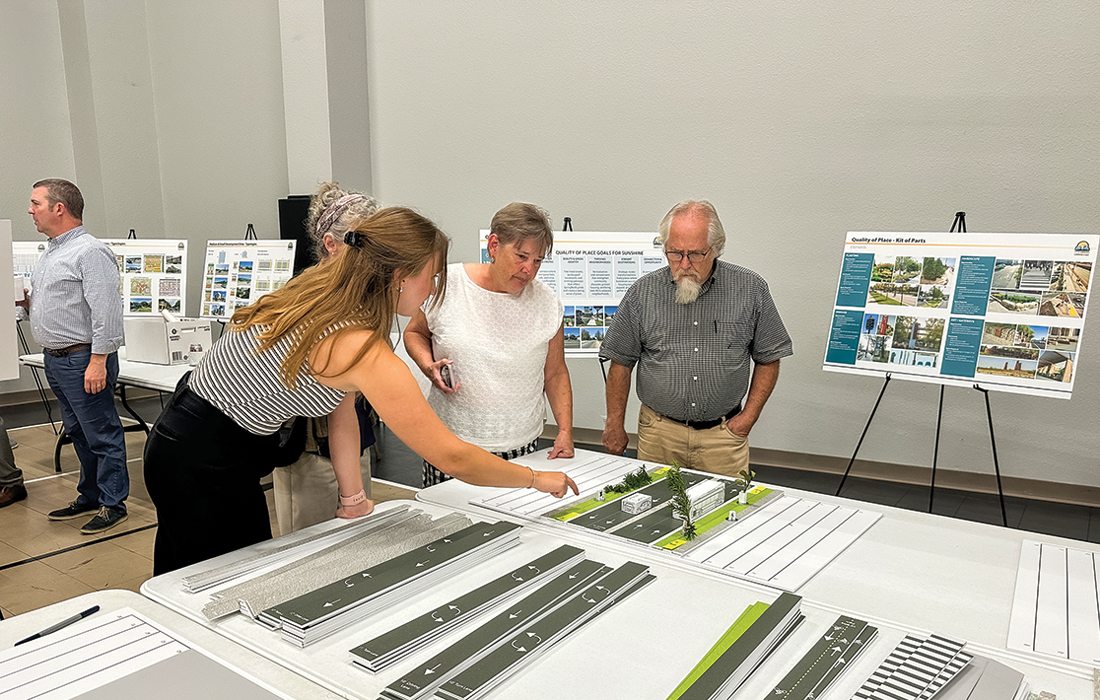
At the charrette, participants used puzzle pieces to design Sunshine Street—deciding how much space to give to lanes, trails, sidewalks and greenspaces. According to Coltrin, when people saw the balancing act firsthand, they better understood the challenges. Leaders can try a similar approach by running simulations or interactive exercises that let teams work through complex decisions.
2. Listen—and Show That You Listened
Coltrin says his team made sure every idea was discussed, not just collected. If something didn’t work, city leaders explained why. That transparency built trust and helped participants see how their input shaped the outcome.
3. Create a Safe Space for Honest Feedback
Creating an environment where people felt safe to share feedback was important to city leaders. Coltrin made sure everyone understood there were no wrong answers or silly questions. That simple statement encouraged creativity and collaboration—a lesson any leader can use when inviting tough conversations or new ideas.
Coltrin says the biggest takeaway from the process applies far beyond city planning: “Whether it’s a citizen or a customer, gathering input throughout the process is critical to your success. This creates buy-in and ultimately leads to a stronger solution. But above all else, be a good listener and always communicate—you can’t communicate too much.”
The city’s ultimate goal was a plan that reflects the community’s needs. For business owners, the same approach can lead to stronger solutions and real commitment from your team.